
Is 2026 the Best Time to Buy a Used Car in Stafford, VA?
Deciding whether 2026 is the best year to buy a used car in Stafford, VA, matters for your wallet, lifestyle, and long-term satisfaction. With shifting inventory levels, evolving financing options, and a diverse market of used cars in Stafford, this guide helps buyers understand market signals, compare dealers, and time their purchase to find the best used car, SUV, or certified pre-owned vehicle for their budget and needs.

Is 2026 the right time to buy a used car in Stafford, VA?
For many shoppers in Stafford Virginia, 2026 looks promising as a time to buy a used car. Inventory levels are improving compared with 2025 as more new car deliveries smooth out production backlogs, meaning dealers in Stafford and Fredericksburg are stocking a wider selection of pre-owned vehicles, including popular brands such as Honda, Toyota, Nissan, and more. That wider selection often translates to better pricing and more negotiating power for buyers.
At the same time, financing conditions and interest rates will shape whether 2026 is the best time to buy. If lenders offer competitive used car financing and dealerships provide financing options or incentives, buyers with solid credit history can secure lower monthly payments. Consider your lifestyle and budget—if you need a reliable commuter SUV or a certified pre-owned sedan, 2026 may indeed be the right time to buy a used car in Stafford.
How are used car prices in Stafford expected to change in 2026?
Used car prices in Stafford have been volatile, but forecasts for 2026 suggest more stability. After steep increases in recent years, many markets are normalizing as new car production recovers. That means dealers and used car dealerships in Stafford are more willing to negotiate, and buyers can often find the best used car deals compared to peak pricing seasons.
Price trends also depend on mileage, model year, and demand for certain types like SUVs and trucks. Popular used Hondas and Toyotas hold value well, so while they may not drop as dramatically, they remain a smart buy for long-term reliability. Watch for discounts, rebates, and dealer incentives at local dealerships and used car dealers in Stafford for additional savings.
Will inventory be better at Stafford dealerships in 2026?
Yes—inventory is likely to be broader in 2026. Many dealerships in Stafford are receiving more trade-ins and off-lease returns as leasing cycles from earlier years mature. That influx increases the number of used vehicles and pre-owned SUVs available, giving shoppers more options for different mileage ranges, trims, and price points.
Look for a wide selection at used car dealerships in Stafford and nearby Fredericksburg, from certified pre-owned vehicles to older models with lower sticker prices. A larger inventory means you can be more selective about features, mileage, and the right car for your lifestyle and budget.
How should I approach financing a used car in 2026 in Stafford?
Financing remains a central part of the car buying experience. In 2026, compare financing options from banks, credit unions, and dealer finance departments to find the best rates for used car financing. Pre-approval is a useful tactic—get a pre-approved loan to reinforce your bargaining position with dealerships and to clearly set your budget when you buy a car.
Consider trade-in values and how they influence monthly payments. If you have equity in your current vehicle, dealerships in Stafford often apply trade-in value toward down payment or loan principal reduction. Be mindful of your credit history; a better score secures better financing options and helps you get the right price for your used vehicle.
Is it better to buy a certified pre-owned car or a regular used car in 2026?
Certified pre-owned (CPO) vehicles offer warranty coverage and thorough inspections, which can be a big advantage if you want peace of mind. In 2026, certified pre-owned cars from major brands like Honda, Toyota, and Nissan remain attractive because they combine the value of a used car with near-new reliability—often a smart choice for buyers looking to avoid unexpected repairs and maintain resale value.
However, certified models typically carry a premium. If your priority is the best used car price rather than extended warranty coverage, an inspected regular used car from a reputable Stafford dealership could provide exceptional value. Weigh the cost of extended warranties or certified programs against your tolerance for maintenance risk and your intended ownership period.
When is the best time of year to buy a used car in Stafford in 2026?
Timing can deliver significant savings. Traditionally, end of the month, end of the quarter, and the winter months are strong times to negotiate a better deal because dealers aim to meet sales targets and clear space for incoming inventory. In Stafford, shopping late in the month or during slower seasons can increase your chances of securing a discount or favorable financing.
Also consider model year turnover—late summer to fall is often when dealerships discount older model year inventory to make room for newer models. If you’re flexible and patient, target these windows to find competitive pricing on popular used cars and SUVs.
How do trade-in values affect buying a used car in Stafford in 2026?
Trade-in values play an important role in your car purchase equation. Dealers may offer competitive trade-in values in 2026 as inventory grows and demand shifts, but you should still research trade-in values for your current car before visiting a dealer. Use online appraisal tools and compare offers from multiple dealers to get the best trade-in value for your vehicle.
Negotiating trade-in and purchase prices separately can yield better results. If you’re trading in a Honda or Toyota with strong resale value, that equity can translate into a lower down payment or improved monthly payments for your next pre-owned vehicle. Remember to factor mileage and condition—higher mileage typically reduces trade-in values.
Should I buy in Stafford or drive to Fredericksburg or other nearby dealers in 2026?
Comparing dealers across Stafford and nearby Fredericksburg expands your options and leverage. Shopping multiple used car dealerships increases your chances of finding the right car at the right price, especially when inventory is wide. If a Stafford dealership doesn’t have the specific model or trim you need, neighboring car dealers may carry it.
However, local convenience has value. A dealership in Stafford may offer better service relationships, easier test drives, and more tailored financing options if you plan to maintain the vehicle locally. Balance the benefits of a wider search with the convenience and after-sale service you’ll need in Stafford Virginia.
Are SUVs still the best used car choice for Stafford drivers in 2026?
SUVs continue to be popular for Stafford drivers thanks to versatility, cargo space, and family-friendly seating. In 2026, used SUVs offer strong resale value and broad availability from brands like Honda, Toyota, and Nissan. If your lifestyle requires hauling gear, commuting with passengers, or occasional towing, a used SUV can be the right car choice.
Costs and fuel economy vary by model and mileage, so prioritize features that match your needs. Certified pre-owned SUVs often come with added inspections and warranties, which can be especially helpful if you plan to keep the vehicle long-term. Consider test drives and compare long-term ownership costs before committing.
How can buyers get the best deal from a Stafford used car dealer in 2026?
To secure the best deal in 2026, research is essential. Shop multiple dealerships, read reviews for used car dealers and dealerships in Stafford, and get pre-approved for financing. Bring documentation to streamline trade-in negotiations and know the market value of the models you’re considering. Use the wider inventory in 2026 as leverage to negotiate on price and additional fees.
Don’t forget to inspect vehicles for mileage, service history, and accidents. Request vehicle history reports and take a thorough test drive. If possible, involve a trusted mechanic for a pre-purchase inspection. These steps help ensure you find the right car at the right price and avoid costly surprises after purchase.
What financing pitfalls should Stafford buyers avoid in 2026?
Avoid focusing only on monthly payments—this common pitfall can hide a longer term or higher interest rate. Instead, understand the full cost of financing including interest rate, loan term, and total finance charges. Shop used car finance offers from multiple lenders and compare APRs to prevent overpaying for your used vehicle.
Also be cautious of extended warranties or add-ons that inflate the purchase price. Carefully evaluate dealership add-ons and whether they align with your needs. Maintain a clear budget that accounts for insurance, maintenance, and expected mileage to make an informed purchasing decision.
How does the 2026 market affect buyers with imperfect credit in Stafford?
Buyers with less-than-perfect credit still have options in 2026. Many Stafford used car dealers and financing partners provide programs tailored to different credit profiles, including subprime lending and buy-here-pay-here options. Shop around to compare financing options and terms, and prioritize dealers with transparent processes and good customer satisfaction ratings.
Improving credit before you buy can lower your financing costs. Consider waiting to boost your credit history, increase down payment, or explore co-signer options. Even modest improvements in credit score can significantly reduce interest rates and monthly payments on a used car loan.
How should I prepare for the test drive and inspection when buying a used car in Stafford?
Plan a thorough test drive and inspection. Test the vehicle in traffic and on various road types to evaluate performance, braking, steering, and comfort. Check interior features, electronics, and the condition of seats and trim. For SUVs and larger vehicles, confirm cargo space and functionality of seating configurations.
Request a vehicle history report and a pre-purchase inspection from a trusted mechanic or independent shop. Confirm mileage records and service history to spot red flags like accident repairs or inconsistent maintenance. These steps help you make a confident purchase and negotiate effectively with used car dealers.
How can I balance price and reliability when choosing a used car in 2026?
Balancing price and reliability means focusing on brands and models known for longevity, like Honda and Toyota, while being open to well-maintained alternatives. Evaluate service records, mileage, and model-specific reliability reports. A slightly higher upfront price for a lower-mileage, well-maintained vehicle can save more on maintenance and hold value better over time.
Consider certified pre-owned options if you prefer additional warranty coverage and inspection assurance. Alternatively, a thorough used car inspection combined with strong negotiation can secure a reliable vehicle at the right price. Factor in expected ownership years and your lifestyle to determine the true value of any used car purchase.
What local resources can Stafford buyers use to research used cars and dealers in 2026?
Take advantage of online listings, dealer websites, and local classifieds to compare inventory at Stafford dealerships and Fredericksburg car dealers. Read reviews and ratings for used car dealers to learn about the car buying experience, customer satisfaction, and after-sale service. Tools that estimate trade-in values and historical price trends help frame reasonable offers.
Visit dealerships in person to speak with sales teams, test drive vehicles, and review financing options. Networking with friends, family, and local automotive forums can uncover dealer-specific experiences and tips for negotiating with dealers in Stafford Virginia.
Conclusion: Is 2026 the Best Year to Buy a Used Car in Stafford, VA?
In summary, 2026 presents strong opportunities for buyers seeking used cars in Stafford, VA. With improving inventory, competitive financing options, and seasonal timing strategies, many shoppers will find 2026 to be an excellent time to buy a used car, suv, or certified pre-owned vehicle. Prioritize research, inspect vehicles thoroughly, and compare dealers to secure the best deal for your lifestyle and budget.
If you’re ready to shop, consider visiting DealHunter Autos LLC, a Used Car Dealership in Stafford, VA. As a reputable used car dealer offering used cars for sale and a range of financing options, DealHunter Autos LLC can help you explore inventory, discuss trade-in values, and arrange used car finance to make your car purchase smooth and satisfying. Whether you want a Honda, Toyota, or an SUV, local used car dealers and dealerships in Stafford are ready to assist with the right car, right price, and an exceptional car buying experience.
What You Should Know About Muscle Cars
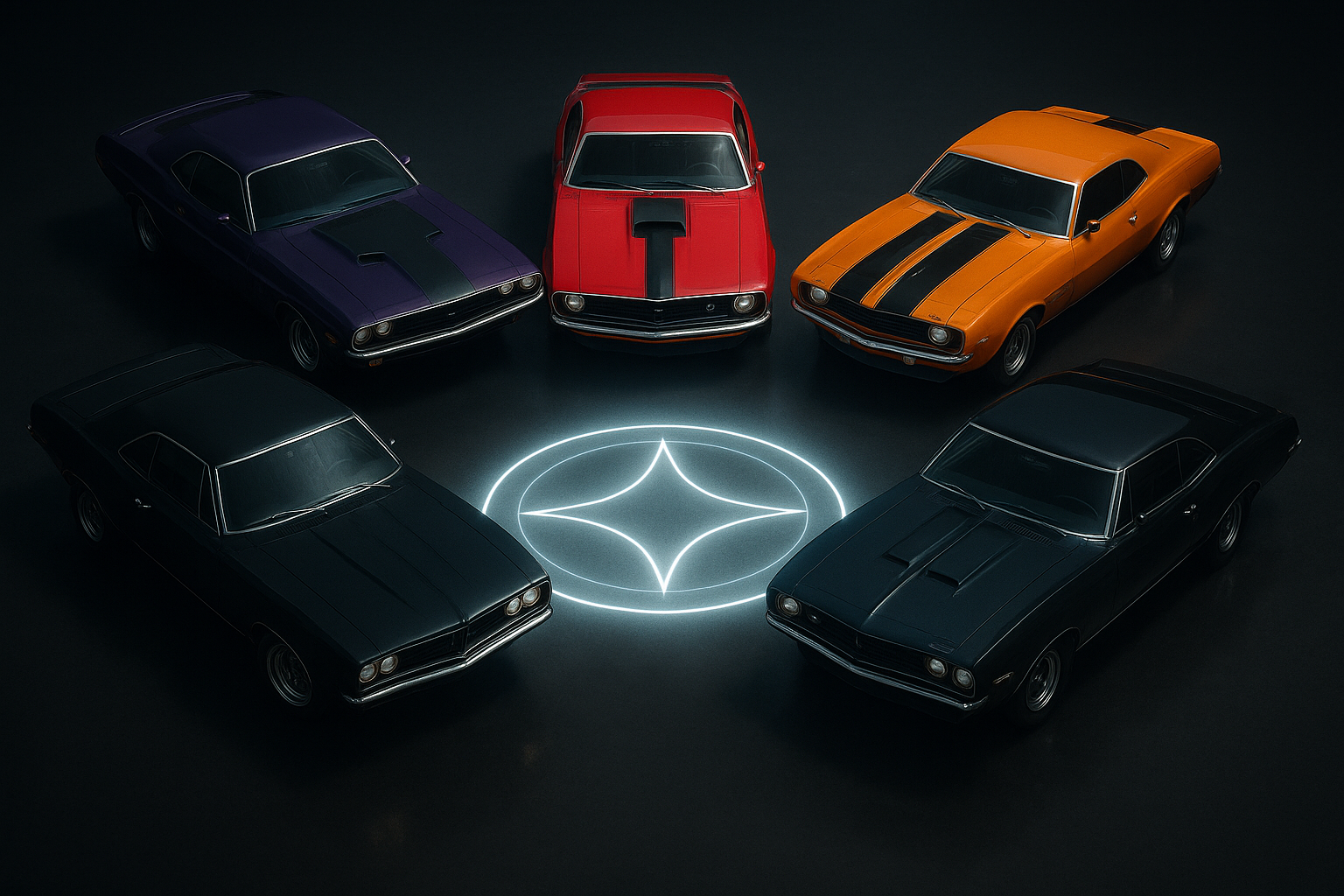
Muscle cars are more than just vehicles; they are a symbol of American freedom and automotive history. These powerful machines have captivated car enthusiasts for decades, offering raw power, impressive performance, and a unique style. Understanding muscle cars can help potential buyers appreciate their significance and make informed decisions when considering a purchase.
What Defines a Muscle Car?
A muscle car is typically defined as a high-performance vehicle that is equipped with a powerful V8 engine, designed for speed and agility. These two-door sports coupes often emphasize performance over comfort, featuring aggressive styling and a sporty demeanor. Classic examples include the Dodge Charger, Ford Mustang, and Chevrolet Camaro.
Muscle cars originated in the early 1960s, marking the beginning of a golden age of muscle cars that would last throughout the 1970s. The first muscle car is often credited as the Pontiac GTO, which introduced the concept of combining a lightweight chassis with a high-displacement engine. This combination set the stage for what would become a distinct category in the automotive world.
What Are the Most Iconic Models of Muscle Cars?
Several models have become synonymous with the muscle car genre. Here are a few iconic examples:
- Dodge Challenger: Known for its bold styling and powerful V8 options, the Challenger has remained a favorite among enthusiasts.
- Ford Mustang: Introduced in 1964, the Mustang epitomizes the muscle car spirit with its variety of models, including the Mustang GT and Shelby variants.
- Chevrolet Camaro: Competing with the Mustang, the Camaro has a storied history of performance and design, featuring models like the Z28 and ZL1.
- Pontiac GTO: Often hailed as the first true muscle car, the GTO set the standard for performance and style.
- Chevrolet Chevelle: A classic muscle car that has become a favorite for collectors and racers alike.
What Engine Types Are Commonly Found in Muscle Cars?
Muscle cars are primarily known for their powerful V8 engines, which provide the raw power and acceleration that enthusiasts crave. These engines typically range from small-block to big-block configurations, with displacements often exceeding 350 cubic inches.
Some notable examples of V8 engines include:
- 389 cubic inch V8: Found in classic models like the Pontiac GTO.
- 426 HEMI: A legendary engine that powered many Mopar muscle cars.
- Chevrolet’s 350 small-block: A staple in many Chevrolet muscle cars, providing a balance of power and efficiency.
How Did Muscle Cars Evolve Over Time?
The evolution of muscle cars can be traced back to the 1960s and 1970s, a period characterized by competition among manufacturers to produce the fastest and most powerful vehicles. Early models were simple, focusing on raw power and performance, but as emissions regulations and fuel efficiency became more important, manufacturers began to adapt.
Modern interpretations of muscle cars, such as the Dodge Challenger SRT and Ford Mustang GT, incorporate advanced technology like fuel injection and electronic performance tuning. These modern muscle cars maintain the spirit of their predecessors while meeting contemporary standards.
What Is the Golden Age of Muscle Cars?
The golden age of muscle cars is generally considered to be the late 1960s to early 1970s. This era saw the introduction of iconic models, high-performance variants, and the rise of drag racing culture. The roar of a V8 engine was a common sound at car shows and drag strips across America, as car enthusiasts showcased their powerful machines.
During this time, manufacturers like Chrysler, Ford, and Chevrolet competed fiercely, leading to the creation of legendary models such as the Dodge Charger Daytona and Chevrolet Camaro ZL1 1LE. This period solidified the muscle car’s place in American culture.
Why Are Muscle Cars So Popular Among Car Enthusiasts?
Car enthusiasts are drawn to muscle cars for various reasons, including their powerful performance, distinctive styling, and rich history. The appeal of owning a muscle car often lies in the experience of driving a vehicle that embodies the spirit of freedom and adventure.
Some reasons for the popularity of muscle cars include:
- Performance: Many muscle cars are designed for speed and acceleration, making them thrilling to drive.
- Customization: Muscle cars often offer a wide range of aftermarket parts and modifications, allowing owners to personalize their vehicles.
- Community: The muscle car culture fosters a strong sense of community among enthusiasts, with car shows, meetups, and racing events.
What Are Some Common Misconceptions About Muscle Cars?
Despite their popularity, there are several misconceptions surrounding muscle cars. One common myth is that all muscle cars are gas guzzlers. While many classic models did have poor fuel efficiency, modern muscle cars often utilize advanced technologies to improve mileage without sacrificing performance.
Another misconception is that muscle cars are only for racing. While many enthusiasts enjoy racing their vehicles on the drag strip, muscle cars can also be enjoyed as daily drivers, showcasing their versatility and practicality.
How to Choose the Right Muscle Car for You?
When considering the purchase of a muscle car, it’s essential to evaluate your needs and preferences. Here are some factors to consider:
- Budget: Determine how much you are willing to spend on a muscle car. Used car prices can vary significantly based on model and condition.
- Performance: Consider what type of performance you desire. Whether you want a classic muscle car or a modern interpretation, different models offer various performance capabilities.
- Condition: Inspect the car’s condition, especially for classic models that may require more maintenance.
Where Can You Find Used Muscle Cars for Sale?
Finding used muscle cars for sale can be exciting, but it’s essential to do your research. Look for reputable used car dealerships that specialize in performance vehicles. Websites, car shows, and classified ads can also be valuable resources for locating your dream muscle car.
DealHunter Autos LLC, a trusted used car dealership in Stafford, VA, offers a selection of quality pre-owned vehicles, including muscle cars. They provide various financing options, including used car loans, making it easier for buyers to find the right vehicle at the right price.
What Should You Know About Owning a Muscle Car?
Owning a muscle car comes with unique responsibilities and considerations. Here are some important aspects to keep in mind:
- Maintenance: Regular maintenance is crucial for keeping your muscle car in top condition, especially for classic models that may require more attention.
- Insurance: Ensure you have adequate insurance coverage, as muscle cars can be valuable and may require specialized policies.
- Community Engagement: Joining local car clubs or attending car shows can enhance your ownership experience and connect you with fellow enthusiasts.
What is the Future of Muscle Cars?
The future of muscle cars appears bright, with manufacturers continuing to innovate and adapt to changing consumer preferences. Modern muscle cars are incorporating electric powertrains, advanced technologies, and improved fuel efficiency, while still maintaining the performance and style that enthusiasts love.
As automotive technology evolves, the spirit of muscle cars will likely endure, ensuring that these powerful machines remain a beloved part of American automotive culture for generations to come.
Conclusion:
In summary, understanding muscle cars involves appreciating their history, performance, and cultural significance. Whether you’re a longtime enthusiast or a first-time buyer, knowing what to look for in muscle cars can enhance your experience. For those in the market for a used muscle car, DealHunter Autos LLC in Stafford, VA, is a reliable used car dealership offering a variety of used cars for sale, including classic and modern muscle vehicles, along with flexible used car loans to suit your needs.
Frequently Asked Questions
A muscle car is a high-performance vehicle characterized by powerful engines, aggressive styling, and a focus on straight-line speed. Typically, muscle cars are American-made and produced in the 1960s and 1970s.
Popular examples of classic muscle cars include the Ford Mustang, Chevrolet Camaro, Dodge Charger, and Pontiac GTO. These cars are iconic for their design and performance.
Muscle cars are typically more focused on raw power and straight-line speed, while sports cars emphasize handling, agility, and overall performance on various types of tracks.
Yes, many manufacturers continue to produce modern muscle cars, such as the Ford Mustang, Chevrolet Camaro, and Dodge Challenger, which incorporate modern technology while retaining classic muscle car characteristics.
When buying a muscle car, consider factors such as condition, mileage, maintenance history, and originality. Additionally, it’s essential to assess the car’s performance capabilities and suitability for your driving needs.
What You Should Know About Luxury Cars: A Luxury Car Buying Guide

Luxury cars represent a unique blend of performance, comfort, and prestige. As the automotive market evolves, understanding what sets luxury vehicles apart from mainstream options is essential for potential buyers. This guide will delve into the various aspects of luxury cars, highlighting features, brands, and what to consider when purchasing a luxury vehicle.
What Defines a Luxury Car?
A luxury car is not just about price; it encompasses high-quality materials, superior craftsmanship, and advanced technology. Luxury models often include features that aren’t available in economy cars, such as:
- Premium leather interiors
- Advanced infotainment systems
- High-performance engines
Luxury vehicles come from recognized luxury car brands such as BMW, Mercedes-Benz, and Audi, each offering a distinct driving experience and unique amenities.
What Are the Different Types of Luxury Cars?
The luxury car market is diverse, featuring various types such as luxury sedans, SUVs, and sports cars. Some popular subcategories include:
- Luxury SUVs: Models like the Cadillac Escalade and Land Rover Range Rover.
- Luxury Sedans: Options like the Lexus LS and Mercedes-Benz S-Class.
- Sports Luxury: Brands like Porsche and Aston Martin offer high-performance vehicles.
Understanding these types can help luxury car buyers identify which category best fits their lifestyle and preferences.
What Luxury Features Should You Look For?
When shopping for a luxury car, it’s crucial to consider the amenities that enhance the driving experience. Luxury features often include:
- Adaptive cruise control
- Heated and ventilated seats
- High-end sound systems
These features not only provide comfort but also improve safety and convenience for everyday driving.
Which Brands Dominate the Luxury Car Market?
The luxury car segment is populated by several prestigious automakers known for their craftsmanship and innovation. Some prominent luxury car brands include:
- BMW
- Audi
- Mercedes-Benz
- Lexus
- Porsche
- Jaguar
Each brand has its own identity, catering to different tastes and preferences within the luxury market.
How Do Luxury Cars Compare to Mainstream Cars?
Luxury cars typically offer a superior driving experience compared to mainstream options. Key differences include:
- Performance: Luxury models often have more powerful engines and better handling.
- Quality: Higher-grade materials are used in luxury vehicles, enhancing durability and aesthetics.
- Technology: Luxury vehicles frequently feature advanced technology and connectivity options.
This distinction is essential for buyers considering the investment in a luxury model versus a more conventional car.
What Should You Consider When Buying a Used Luxury Car?
Purchasing a used luxury car can be a wise financial decision, but it requires careful consideration. Important factors include:
- Vehicle history: Always check for accidents or major repairs.
- Warranty options: Some used luxury cars may still be under warranty from the manufacturer.
- Maintenance records: Ensure the car has a consistent service history.
These considerations can help you avoid potential pitfalls and ensure you are making a sound investment.
What Are the Benefits of Buying a New Luxury Car?
Investing in a new luxury car comes with several advantages, such as:
- Latest technology: New luxury vehicles come equipped with the latest features and innovations.
- Warranty coverage: New cars typically have comprehensive warranties, reducing repair costs.
- Customization options: Buyers can often choose specific features and colors.
These benefits can enhance the overall ownership experience and provide peace of mind for luxury car buyers.
How Do Luxury Electric Vehicles Fit Into the Market?
Today’s luxury market increasingly includes electric vehicles (EVs) such as Tesla and Lucid Motors. These models offer:
- High-performance electric engines
- Advanced technology and connectivity
- Environmental benefits of reduced emissions
As the demand for sustainable options grows, luxury electric vehicles are becoming a significant part of the luxury segment.
What Are the Trends in the Luxury Car Market?
The luxury car market is always changing, driven by trends that shape what buyers are looking for. Current trends include:
- Increased focus on sustainability and eco-friendly technology.
- Integration of advanced driver-assistance systems for enhanced safety.
- Growing popularity of SUVs and crossovers in the luxury segment.
Staying informed about these trends can help potential buyers make educated decisions when purchasing a luxury vehicle.
How to Choose the Right Luxury Car for You?
Selecting the right luxury vehicle involves assessing your personal needs and preferences. Considerations might include:
- Your lifestyle: Do you need space for family or frequent travel?
- Performance needs: Are you looking for a sporty drive or a comfortable ride?
- Budget: Understand your financial boundaries, including purchase price and insurance costs.
By evaluating these factors, buyers can narrow down their options and find a luxury car that fits their needs perfectly.
Conclusion
In conclusion, understanding what you should know about luxury cars is vital for making informed decisions when purchasing either a new or used luxury vehicle. With a plethora of options available from various luxury brands, it’s important to consider your preferences, needs, and the unique features that luxury vehicles provide. If you’re in the market for a used luxury car, visit DealHunter Autos LLC, a reputable used car dealership in Stafford, VA. They offer a wide selection of used cars for sale and can help you navigate the luxury car market with expert advice from experienced used car dealers.
Frequently Asked Questions
A luxury car, often referred to as a luxury vehicle, typically offers high-end features, superior craftsmanship, and enhanced performance compared to mainstream brands. Examples include brands like BMW, Audi, and Mercedes-Benz.
Many luxury SUVs, such as the Cadillac Escalade and Lexus RX, are designed with high-quality materials and advanced technology, which can lead to better reliability. However, used luxury cars may come with unique issues, so it’s essential to have a thorough inspection.
Buying a used luxury car can offer significant savings while still providing access to high-end features and performance. Models like the Audi A6 or BMW 5 Series often depreciate faster, making them more affordable in the used car market.
Luxury car brands focus on delivering exceptional quality, advanced technology, and unique amenities that enhance the driving experience. In contrast, mainstream car manufacturers prioritize affordability and practicality, leading to a different ownership experience.
When buying a luxury sedan, consider factors such as the brand reputation, engine performance, luxury features, and overall driving experience. Manufacturers such as Mercedes-Benz and BMW typically offer a wide selection of models to suit different preferences.
Luxury electric vehicles, such as Tesla and the upcoming luxury models from brands like Porsche and Audi, offer cutting-edge technology and performance. Investing in a luxury electric car can provide environmental benefits along with high-end features.