
Manual vs. Automatic Transmission: Pros and Cons Explained
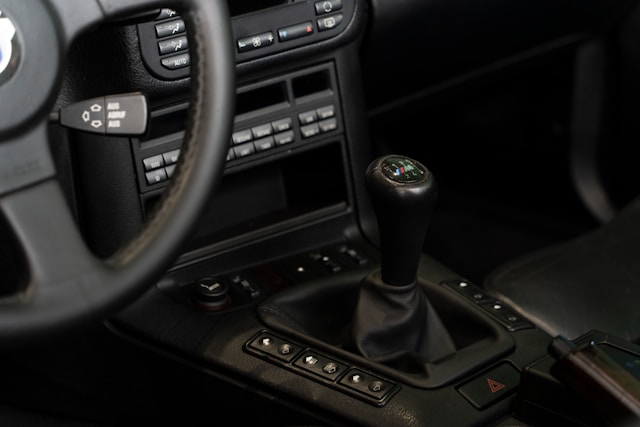
The debate between manual and automatic transmissions has been ongoing among car enthusiasts, commuters, and everyday drivers. Understanding the differences between these two transmission types can help you choose the right vehicle and enhance your overall driving experience. This article breaks down the key distinctions, advantages, and disadvantages of manual and automatic transmissions, along with their impact on fuel economy and performance—especially in sports cars.
What Is the Difference Between Manual and Automatic Transmissions?
Manual Transmission: How It Works
A manual transmission, also known as a stick shift, requires the driver to manually shift gears using a clutch pedal and gear shifter. The driver is responsible for changing gears based on the vehicle’s speed and torque. Manual transmissions have a gearbox with a set number of gears, creating a direct connection between the engine and wheels. To shift smoothly, the driver must coordinate the clutch pedal and shifter—a process that many driving enthusiasts find both engaging and rewarding.
Automatic Transmission: How It Works
An automatic transmission simplifies driving by shifting gears automatically, without driver intervention. This is achieved through components such as a torque converter or a continuously variable transmission (CVT), which seamlessly adjusts the gear ratio as the car accelerates or decelerates. Automatic vehicles are widely popular for their convenience, especially in stop-and-go traffic. Since drivers only need to control the accelerator and brake pedals, automatics are generally easier to drive.
Key Differences in Gear Shifting
The main difference between manual and automatic transmissions is how gears are shifted:
- Manual transmission: The driver manually shifts gears, offering more control and engagement.
- Automatic transmission: The car shifts gears automatically, making driving easier and less stressful.
Both transmission types cater to different driving preferences, making it essential to consider personal driving habits when choosing a vehicle.
Manual vs. Automatic: Pros and Cons
Advantages of Manual Transmission Cars
Manual transmission cars offer several benefits, especially for driving enthusiasts:
- More Control – Drivers can shift gears based on road conditions, optimizing performance.
- Lower Maintenance Costs – Manual cars have fewer complex components, reducing repair costs.
- Better Fuel Economy – Since drivers control gear selection, they can improve efficiency.
Disadvantages of Manual Transmission
Despite their benefits, manual transmissions have some drawbacks:
- Steep Learning Curve – Driving a stick shift requires skill and practice.
- More Effort in Traffic – Constantly using the clutch and shifting gears can be tiring.
- Less Convenient – In heavy traffic, a manual transmission can become a hassle.
Pros and Cons of Automatic Transmission
Advantages
- Easier to Drive – No need for manual gear shifting, making driving more convenient.
- Ideal for City Driving – Perfect for stop-and-go traffic.
- Comfortable for Long Drives – No clutch pedal, reducing driver fatigue.
Disadvantages
- Higher Maintenance Costs – Automatic transmissions have more complex components.
- Potentially Lower Fuel Efficiency – Some older automatic models consume more fuel.
- Less Driving Engagement – Some enthusiasts feel less connected to the car.
Fuel Economy: Manual vs. Automatic Transmission
Manual Transmission: Is It More Fuel Efficient?
Historically, manual cars have been more fuel-efficient because they provide a direct connection between the engine and wheels. Drivers can choose the best gear to optimize efficiency, keeping RPMs low and fuel consumption in check. However, modern automatic transmissions have improved significantly, reducing this advantage.
Automatic Transmission: Fuel Efficiency Today
Newer automatic transmissions now feature adaptive transmission control and CVT technology, optimizing gear ratios for better fuel economy. Some modern automatics even outperform manual cars in efficiency. However, fuel consumption varies by model, so it’s essential to check manufacturer ratings when buying a car.
Which Transmission Saves More Fuel?
The answer depends on the vehicle. While manual transmissions traditionally offer better fuel economy, modern automatic cars have closed the gap. The best choice depends on the specific car, driving style, and technological advancements in transmission design.
Are Sports Cars Better with Manual or Automatic Transmission?
Why Some Sports Cars Prefer Manual Gearboxes
In the world of sports cars, manual transmissions are often favored by enthusiasts who enjoy full control over gear shifts. The ability to manually control acceleration and torque adds to the thrill of driving, making it a preferred option for those who value performance and engagement.
The Rise of Automatic Transmissions in Performance Cars
However, automatic transmissions are gaining popularity in sports cars. Modern dual-clutch transmissions (DCTs) and CVTs offer lightning-fast gear shifts—often quicker than a human can achieve manually. These advancements allow sports cars to maximize acceleration and responsiveness, making automatics a strong competitor in the performance segment.
Manual vs. Automatic: Which Provides the Best Driving Experience?
The driving experience depends on personal preference:
- Manual transmissions offer more engagement and control.
- Automatic transmissions provide speed and convenience.
For some, the hands-on nature of a manual is essential, while others appreciate the effortless performance of an automatic. The choice ultimately comes down to driving style and preference.
How to Choose Between Manual and Automatic When Buying a Car
Factors to Consider
Before deciding on a transmission type, consider:
- Driving Habits – Do you drive in heavy traffic often? If so, an automatic may be more convenient.
- Driving Experience – Do you enjoy having more control? A manual might be the better choice.
- Maintenance Costs – Manuals typically cost less to repair.
- Fuel Economy – While manuals traditionally offer better efficiency, modern automatics have improved.
Long-Term Costs: Maintenance and Repairs
Manual vehicles have fewer moving parts, meaning fewer components that can break down. In contrast, automatic transmissions involve complex systems, which can lead to higher repair costs. Consider these long-term factors when choosing between manual and automatic transmissions.
Conclusion
Whether you prefer a manual or automatic transmission, understanding the differences between them can help you make the best choice for your driving needs.
- Manual transmissions offer control, engagement, and lower maintenance costs.
- Automatic transmissions provide ease of use, comfort, and modern fuel efficiency.
As manual transmissions become less common, learning to drive one can be a valuable skill. However, automatic technology continues to improve, making them an increasingly attractive option.
At DealHunter Autos LLC, we help you find the perfect vehicle—whether you prefer a manual or automatic transmission. Browse our inventory today and drive home in the right car for you!