
What You Should Know About Muscle Cars
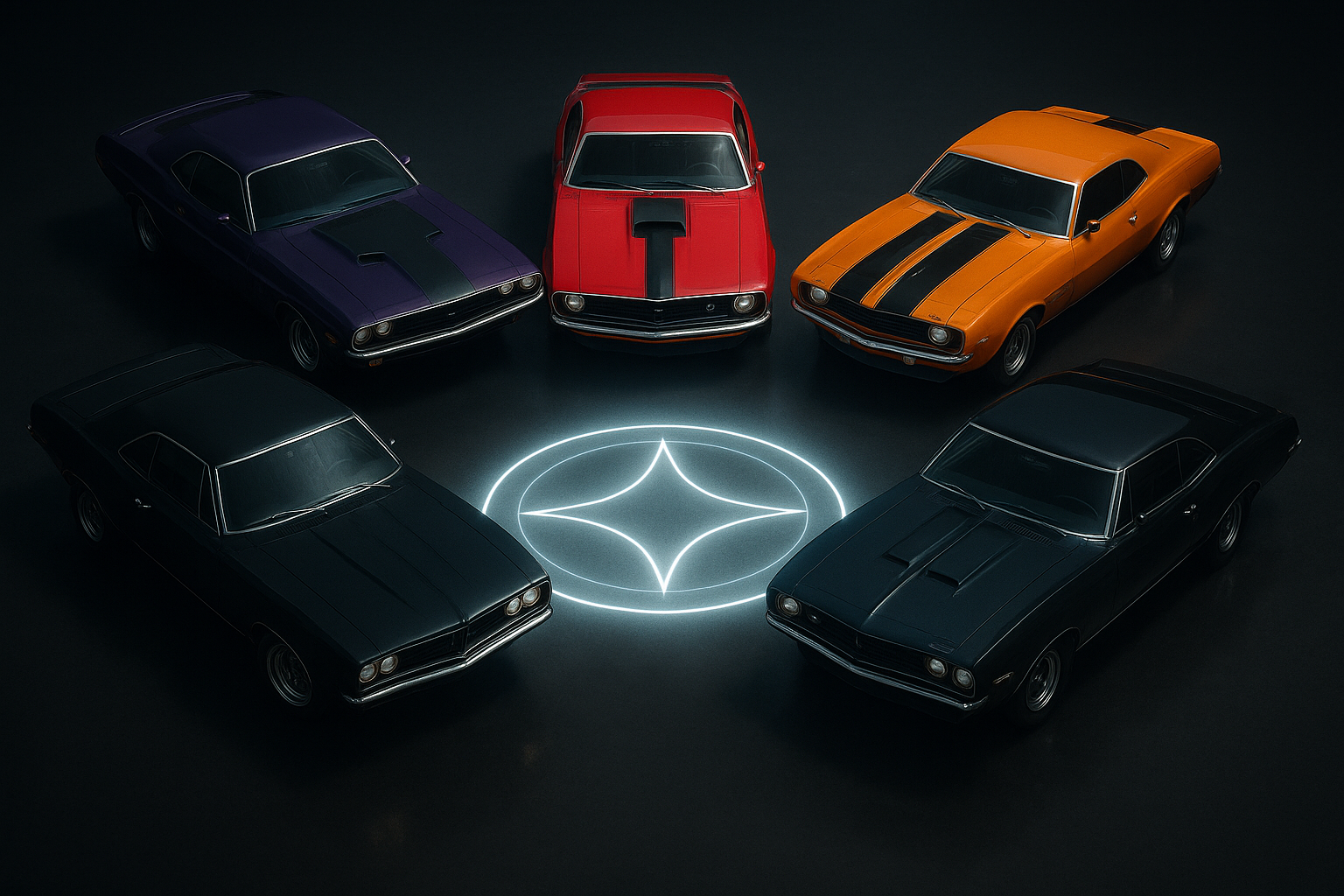
Muscle cars are more than just vehicles; they are a symbol of American freedom and automotive history. These powerful machines have captivated car enthusiasts for decades, offering raw power, impressive performance, and a unique style. Understanding muscle cars can help potential buyers appreciate their significance and make informed decisions when considering a purchase.
What Defines a Muscle Car?
A muscle car is typically defined as a high-performance vehicle that is equipped with a powerful V8 engine, designed for speed and agility. These two-door sports coupes often emphasize performance over comfort, featuring aggressive styling and a sporty demeanor. Classic examples include the Dodge Charger, Ford Mustang, and Chevrolet Camaro.
Muscle cars originated in the early 1960s, marking the beginning of a golden age of muscle cars that would last throughout the 1970s. The first muscle car is often credited as the Pontiac GTO, which introduced the concept of combining a lightweight chassis with a high-displacement engine. This combination set the stage for what would become a distinct category in the automotive world.
What Are the Most Iconic Models of Muscle Cars?
Several models have become synonymous with the muscle car genre. Here are a few iconic examples:
- Dodge Challenger: Known for its bold styling and powerful V8 options, the Challenger has remained a favorite among enthusiasts.
- Ford Mustang: Introduced in 1964, the Mustang epitomizes the muscle car spirit with its variety of models, including the Mustang GT and Shelby variants.
- Chevrolet Camaro: Competing with the Mustang, the Camaro has a storied history of performance and design, featuring models like the Z28 and ZL1.
- Pontiac GTO: Often hailed as the first true muscle car, the GTO set the standard for performance and style.
- Chevrolet Chevelle: A classic muscle car that has become a favorite for collectors and racers alike.
What Engine Types Are Commonly Found in Muscle Cars?
Muscle cars are primarily known for their powerful V8 engines, which provide the raw power and acceleration that enthusiasts crave. These engines typically range from small-block to big-block configurations, with displacements often exceeding 350 cubic inches.
Some notable examples of V8 engines include:
- 389 cubic inch V8: Found in classic models like the Pontiac GTO.
- 426 HEMI: A legendary engine that powered many Mopar muscle cars.
- Chevrolet’s 350 small-block: A staple in many Chevrolet muscle cars, providing a balance of power and efficiency.
How Did Muscle Cars Evolve Over Time?
The evolution of muscle cars can be traced back to the 1960s and 1970s, a period characterized by competition among manufacturers to produce the fastest and most powerful vehicles. Early models were simple, focusing on raw power and performance, but as emissions regulations and fuel efficiency became more important, manufacturers began to adapt.
Modern interpretations of muscle cars, such as the Dodge Challenger SRT and Ford Mustang GT, incorporate advanced technology like fuel injection and electronic performance tuning. These modern muscle cars maintain the spirit of their predecessors while meeting contemporary standards.
What Is the Golden Age of Muscle Cars?
The golden age of muscle cars is generally considered to be the late 1960s to early 1970s. This era saw the introduction of iconic models, high-performance variants, and the rise of drag racing culture. The roar of a V8 engine was a common sound at car shows and drag strips across America, as car enthusiasts showcased their powerful machines.
During this time, manufacturers like Chrysler, Ford, and Chevrolet competed fiercely, leading to the creation of legendary models such as the Dodge Charger Daytona and Chevrolet Camaro ZL1 1LE. This period solidified the muscle car’s place in American culture.
Why Are Muscle Cars So Popular Among Car Enthusiasts?
Car enthusiasts are drawn to muscle cars for various reasons, including their powerful performance, distinctive styling, and rich history. The appeal of owning a muscle car often lies in the experience of driving a vehicle that embodies the spirit of freedom and adventure.
Some reasons for the popularity of muscle cars include:
- Performance: Many muscle cars are designed for speed and acceleration, making them thrilling to drive.
- Customization: Muscle cars often offer a wide range of aftermarket parts and modifications, allowing owners to personalize their vehicles.
- Community: The muscle car culture fosters a strong sense of community among enthusiasts, with car shows, meetups, and racing events.
What Are Some Common Misconceptions About Muscle Cars?
Despite their popularity, there are several misconceptions surrounding muscle cars. One common myth is that all muscle cars are gas guzzlers. While many classic models did have poor fuel efficiency, modern muscle cars often utilize advanced technologies to improve mileage without sacrificing performance.
Another misconception is that muscle cars are only for racing. While many enthusiasts enjoy racing their vehicles on the drag strip, muscle cars can also be enjoyed as daily drivers, showcasing their versatility and practicality.
How to Choose the Right Muscle Car for You?
When considering the purchase of a muscle car, it’s essential to evaluate your needs and preferences. Here are some factors to consider:
- Budget: Determine how much you are willing to spend on a muscle car. Used car prices can vary significantly based on model and condition.
- Performance: Consider what type of performance you desire. Whether you want a classic muscle car or a modern interpretation, different models offer various performance capabilities.
- Condition: Inspect the car’s condition, especially for classic models that may require more maintenance.
Where Can You Find Used Muscle Cars for Sale?
Finding used muscle cars for sale can be exciting, but it’s essential to do your research. Look for reputable used car dealerships that specialize in performance vehicles. Websites, car shows, and classified ads can also be valuable resources for locating your dream muscle car.
DealHunter Autos LLC, a trusted used car dealership in Stafford, VA, offers a selection of quality pre-owned vehicles, including muscle cars. They provide various financing options, including used car loans, making it easier for buyers to find the right vehicle at the right price.
What Should You Know About Owning a Muscle Car?
Owning a muscle car comes with unique responsibilities and considerations. Here are some important aspects to keep in mind:
- Maintenance: Regular maintenance is crucial for keeping your muscle car in top condition, especially for classic models that may require more attention.
- Insurance: Ensure you have adequate insurance coverage, as muscle cars can be valuable and may require specialized policies.
- Community Engagement: Joining local car clubs or attending car shows can enhance your ownership experience and connect you with fellow enthusiasts.
What is the Future of Muscle Cars?
The future of muscle cars appears bright, with manufacturers continuing to innovate and adapt to changing consumer preferences. Modern muscle cars are incorporating electric powertrains, advanced technologies, and improved fuel efficiency, while still maintaining the performance and style that enthusiasts love.
As automotive technology evolves, the spirit of muscle cars will likely endure, ensuring that these powerful machines remain a beloved part of American automotive culture for generations to come.
Conclusion:
In summary, understanding muscle cars involves appreciating their history, performance, and cultural significance. Whether you’re a longtime enthusiast or a first-time buyer, knowing what to look for in muscle cars can enhance your experience. For those in the market for a used muscle car, DealHunter Autos LLC in Stafford, VA, is a reliable used car dealership offering a variety of used cars for sale, including classic and modern muscle vehicles, along with flexible used car loans to suit your needs.
Frequently Asked Questions
A muscle car is a high-performance vehicle characterized by powerful engines, aggressive styling, and a focus on straight-line speed. Typically, muscle cars are American-made and produced in the 1960s and 1970s.
Popular examples of classic muscle cars include the Ford Mustang, Chevrolet Camaro, Dodge Charger, and Pontiac GTO. These cars are iconic for their design and performance.
Muscle cars are typically more focused on raw power and straight-line speed, while sports cars emphasize handling, agility, and overall performance on various types of tracks.
Yes, many manufacturers continue to produce modern muscle cars, such as the Ford Mustang, Chevrolet Camaro, and Dodge Challenger, which incorporate modern technology while retaining classic muscle car characteristics.
When buying a muscle car, consider factors such as condition, mileage, maintenance history, and originality. Additionally, it’s essential to assess the car’s performance capabilities and suitability for your driving needs.